

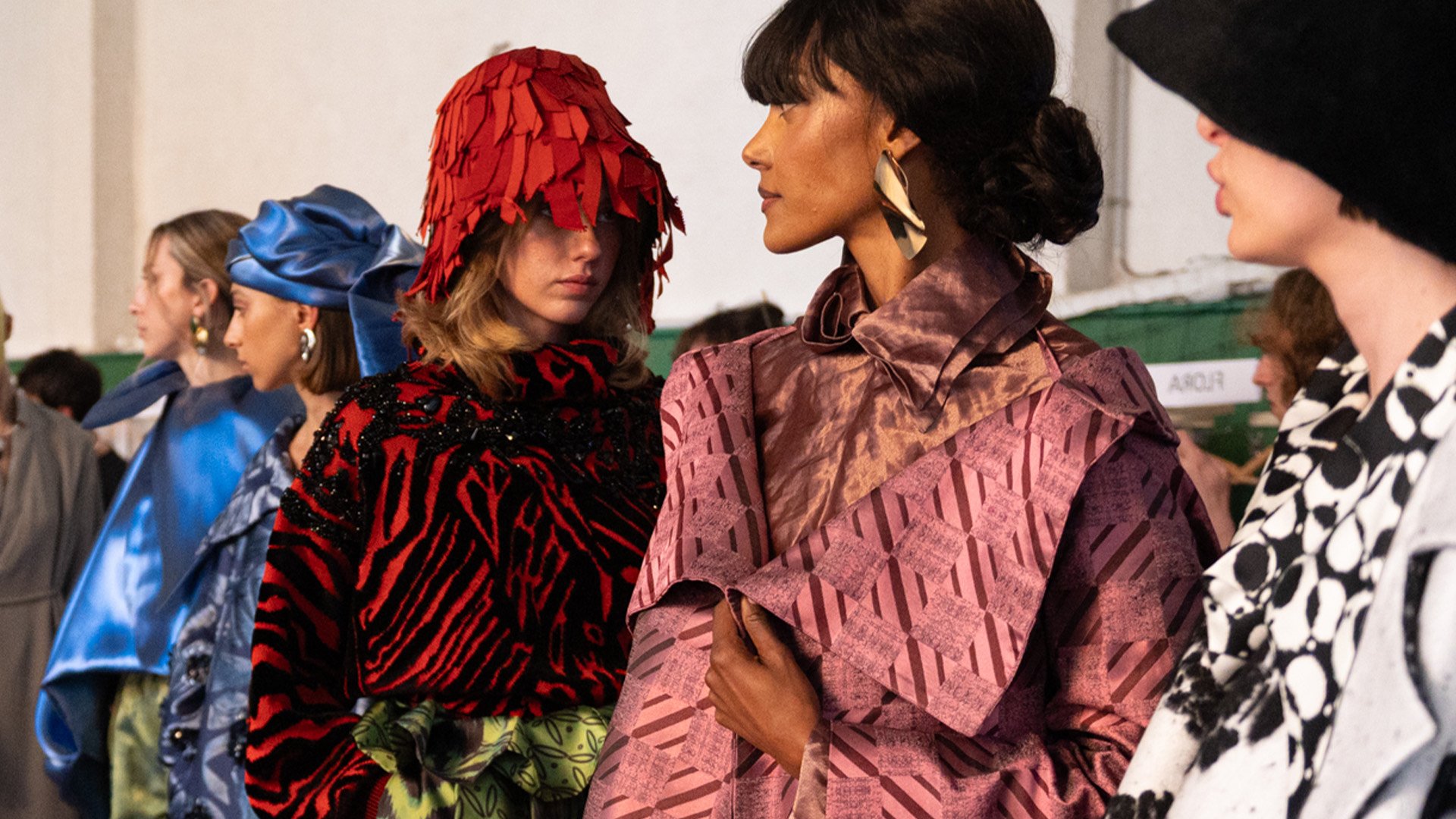
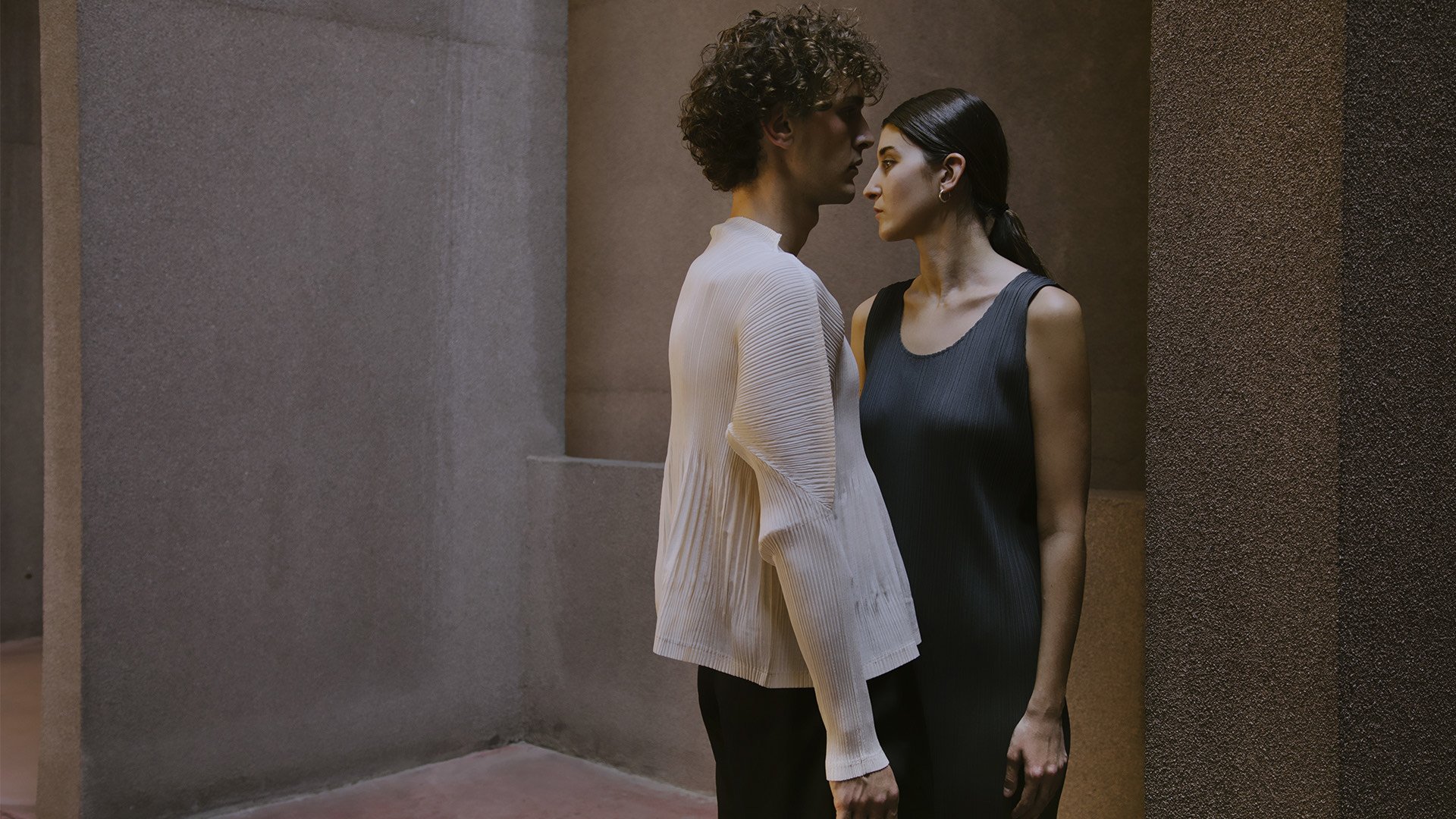
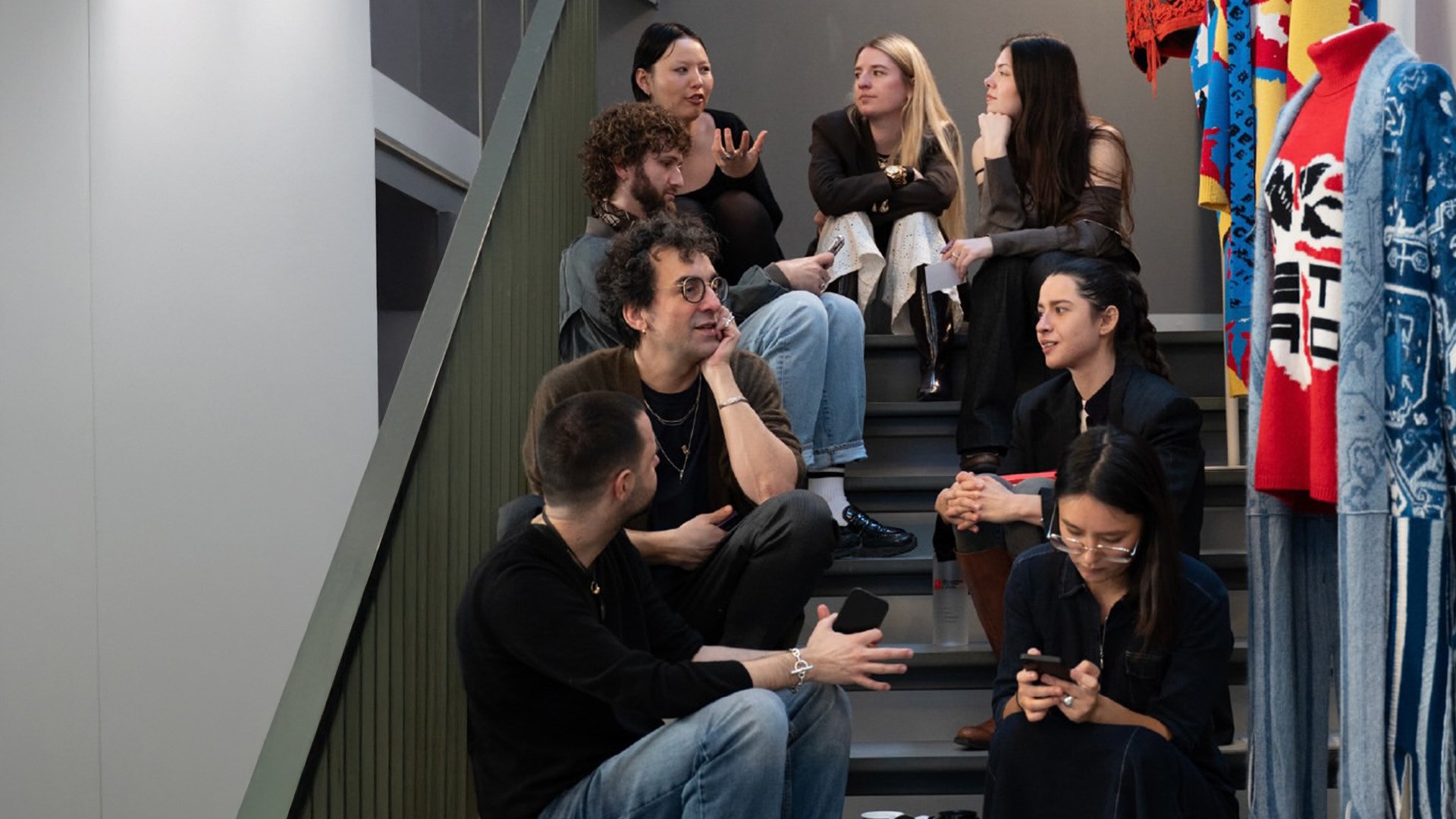
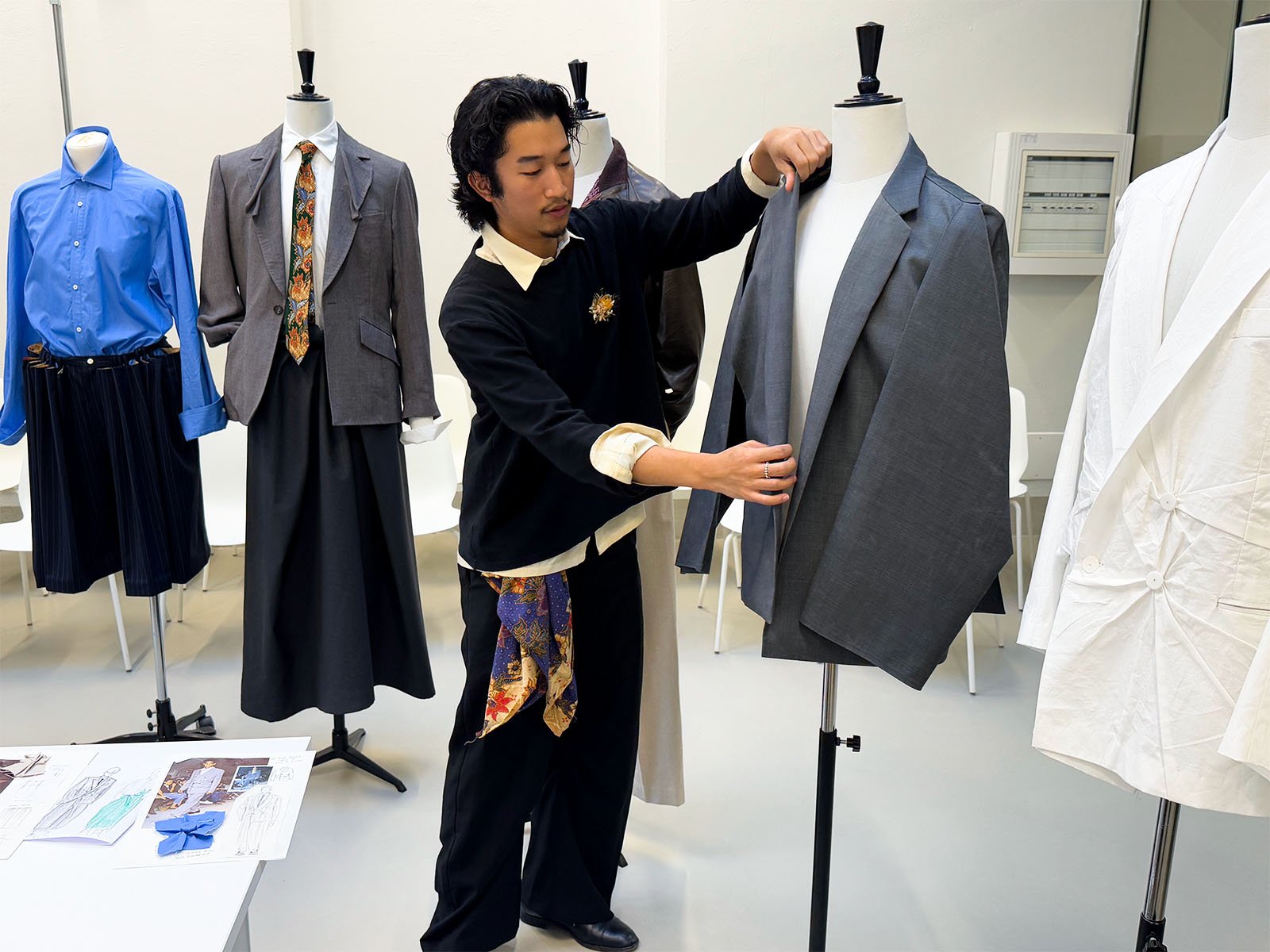
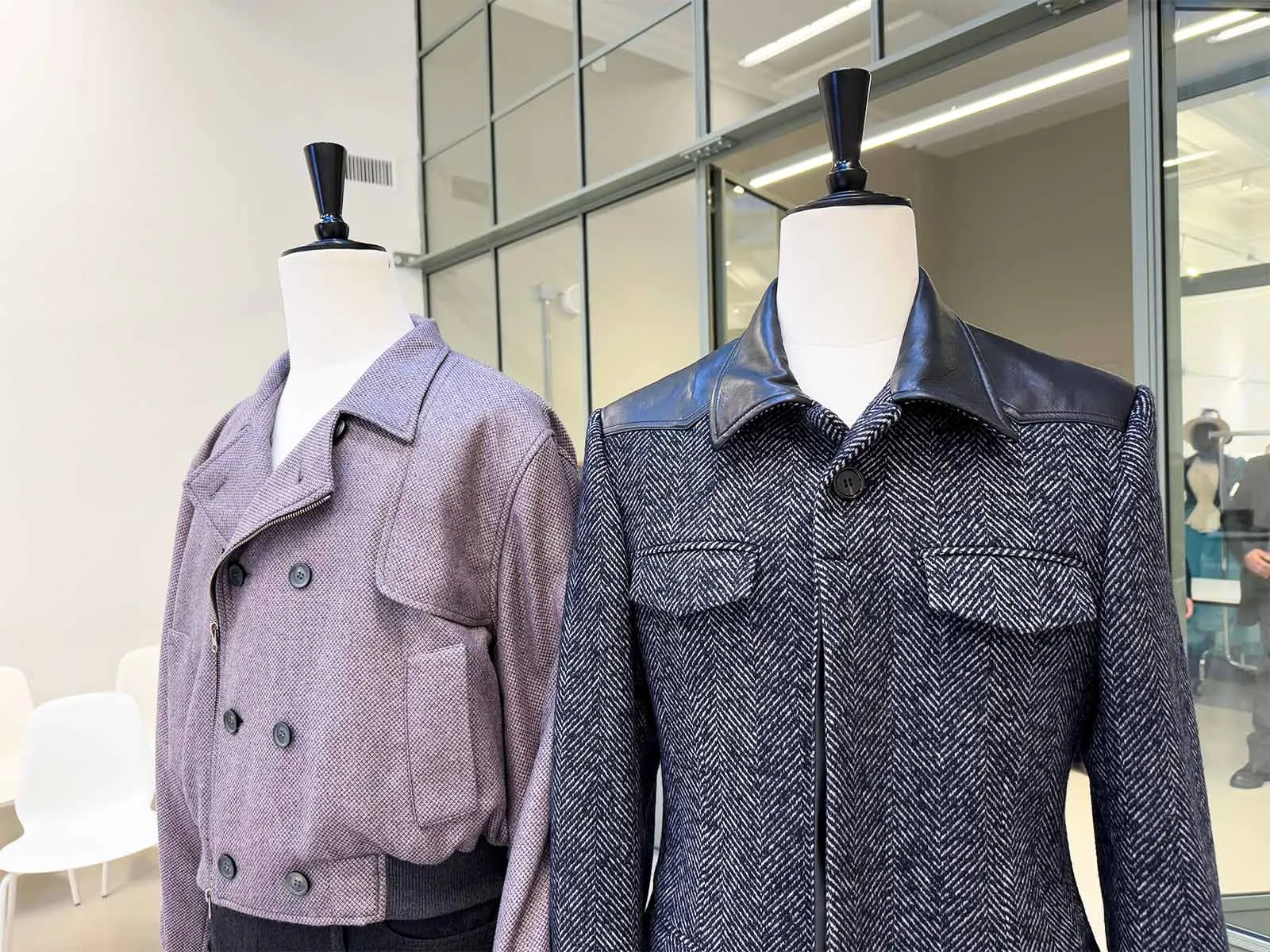
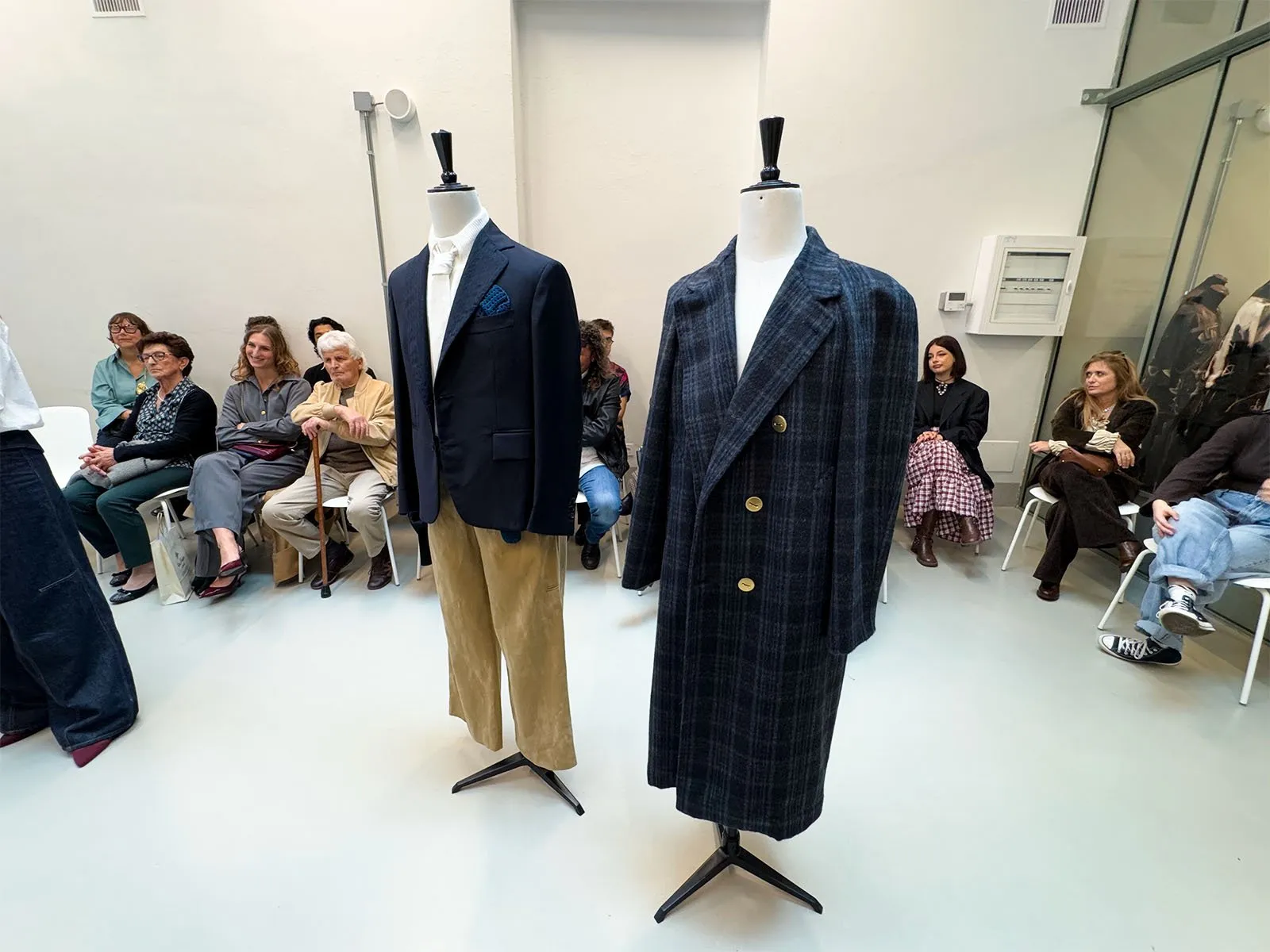
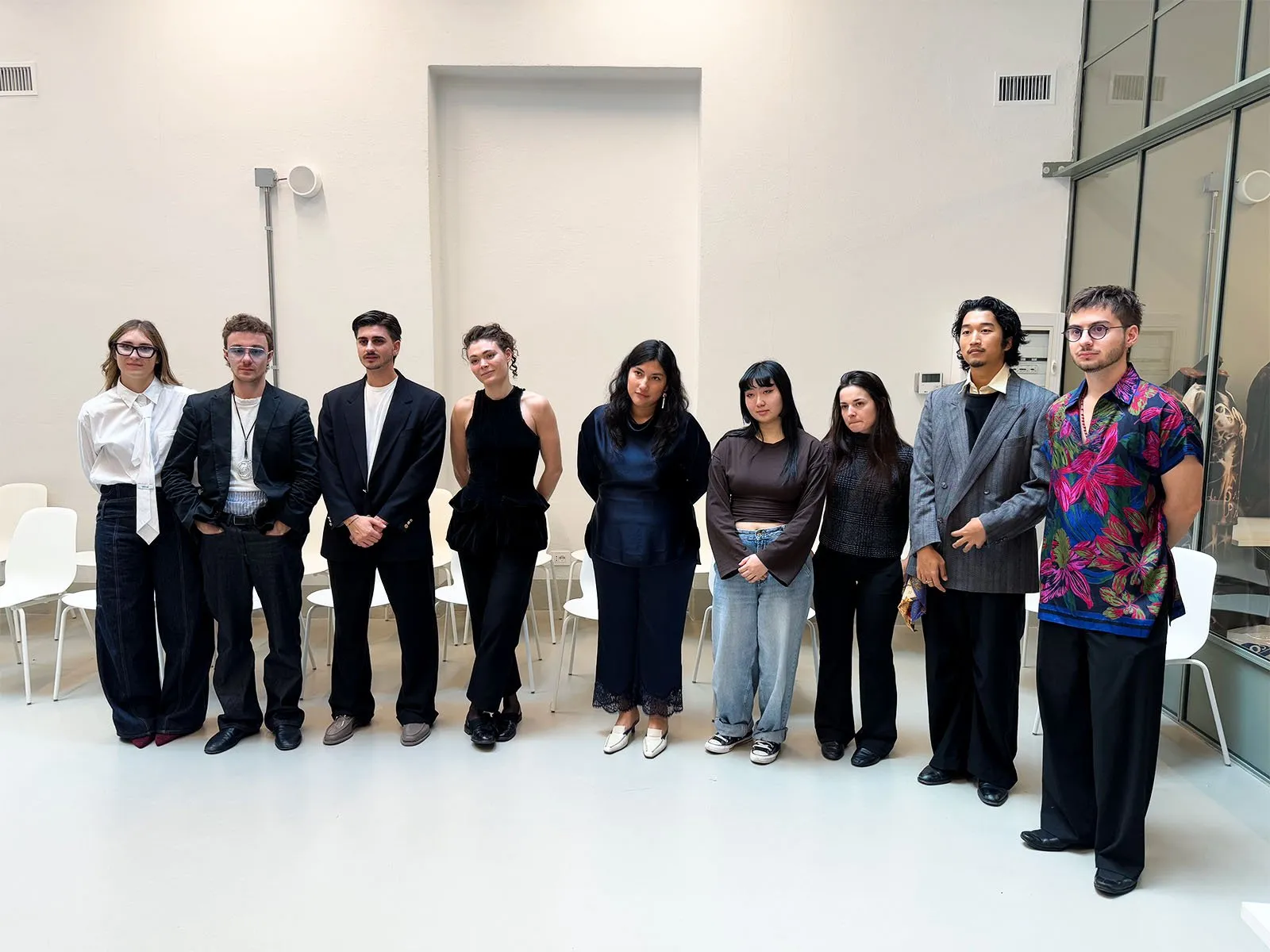
Rethinking the codes of menswear through cultural research, an understanding of sartorial traditions and creative experimentation. Our Master in Menswear Design students have concluded their academic journey in Rome, presenting their final thesis projects, the result of months of research, creative development and technical exploration.
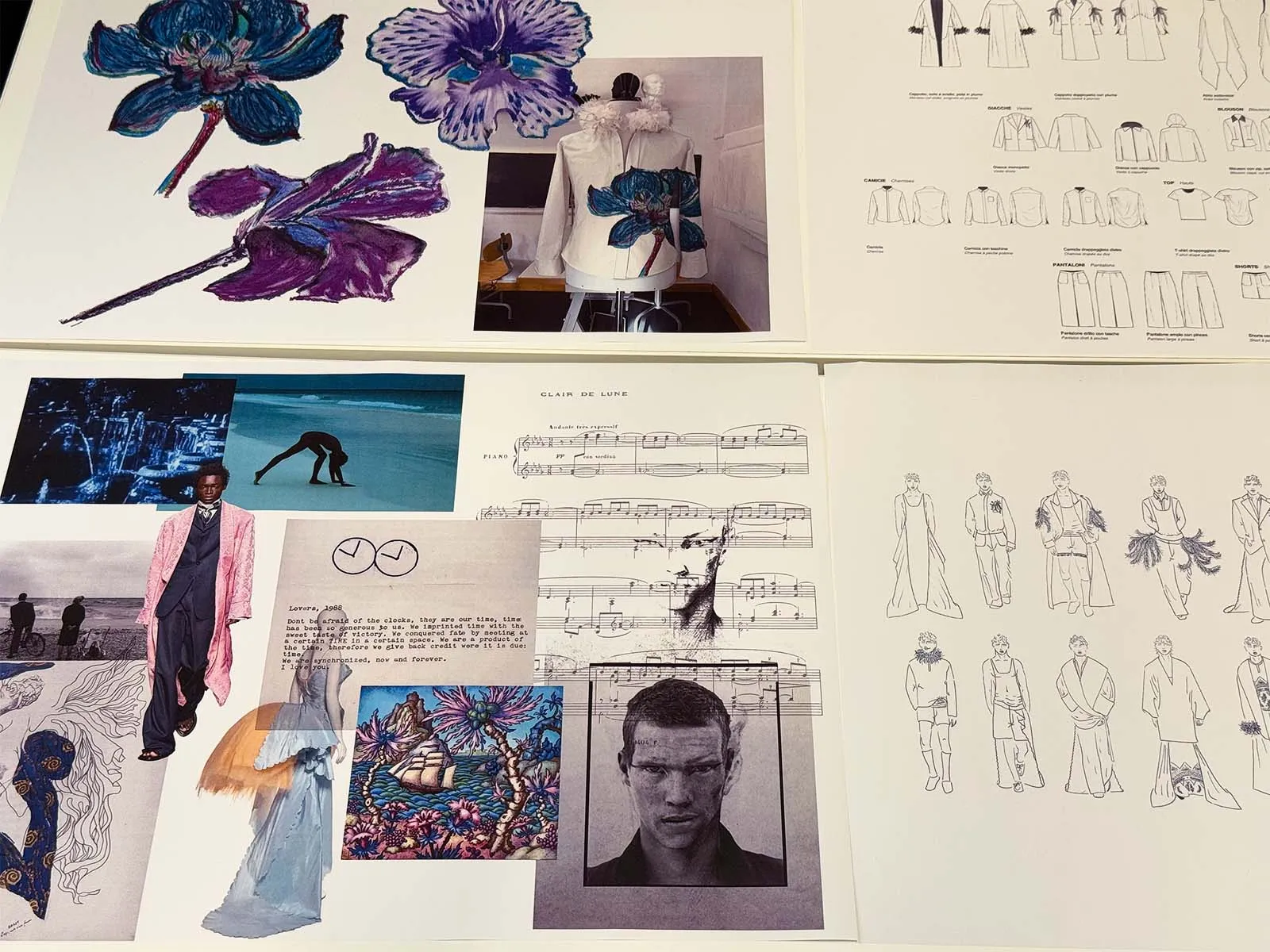
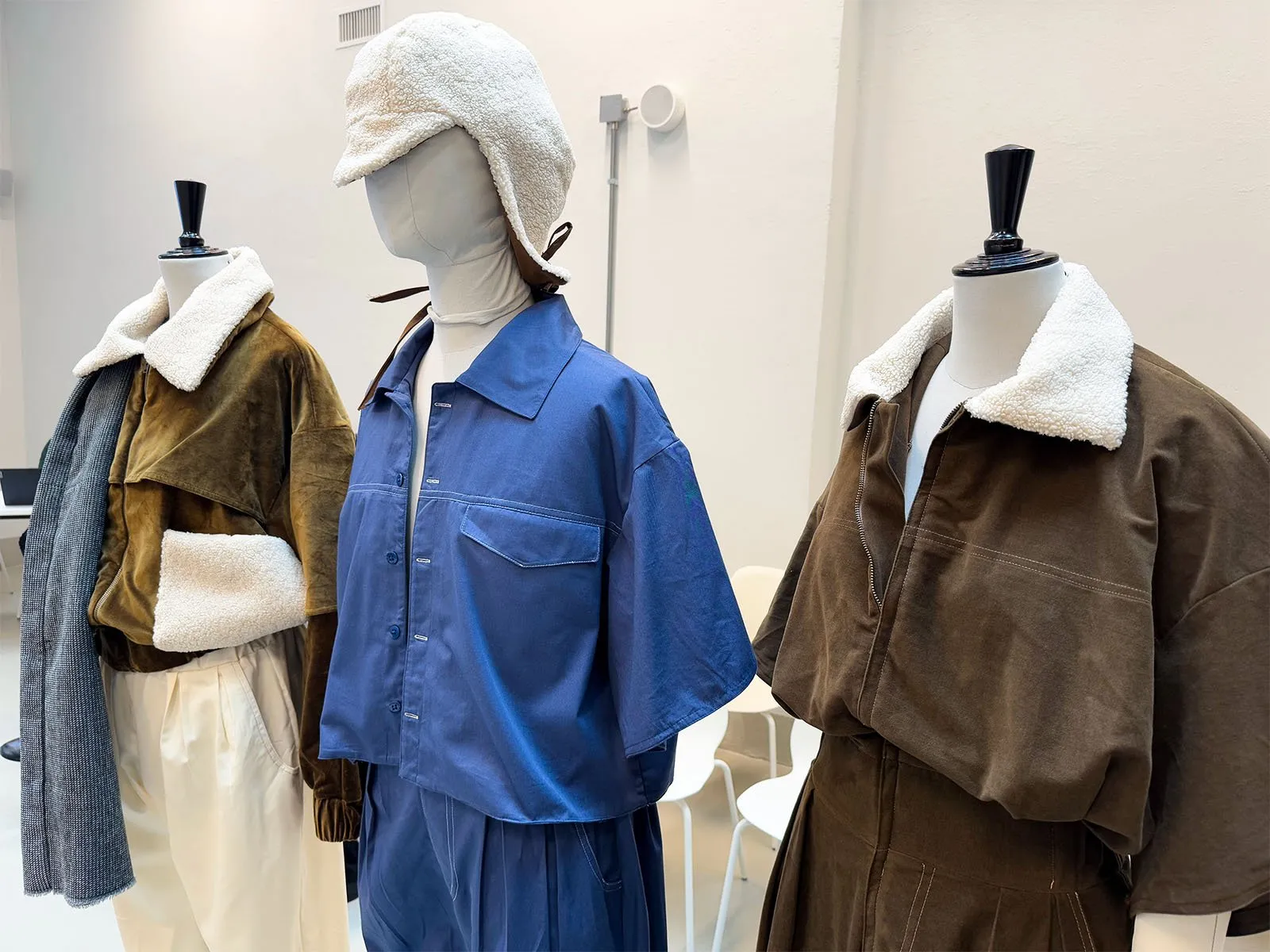
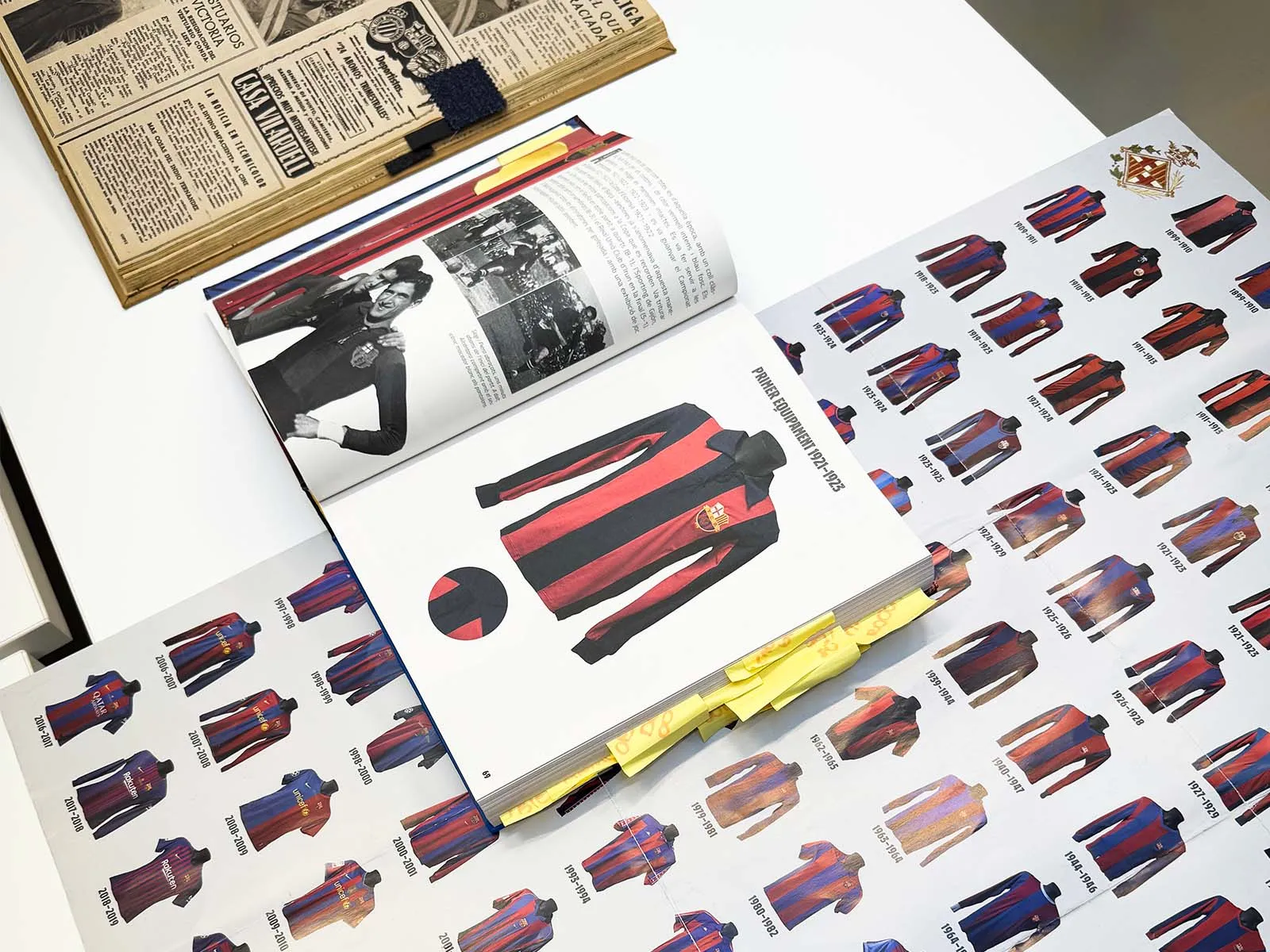
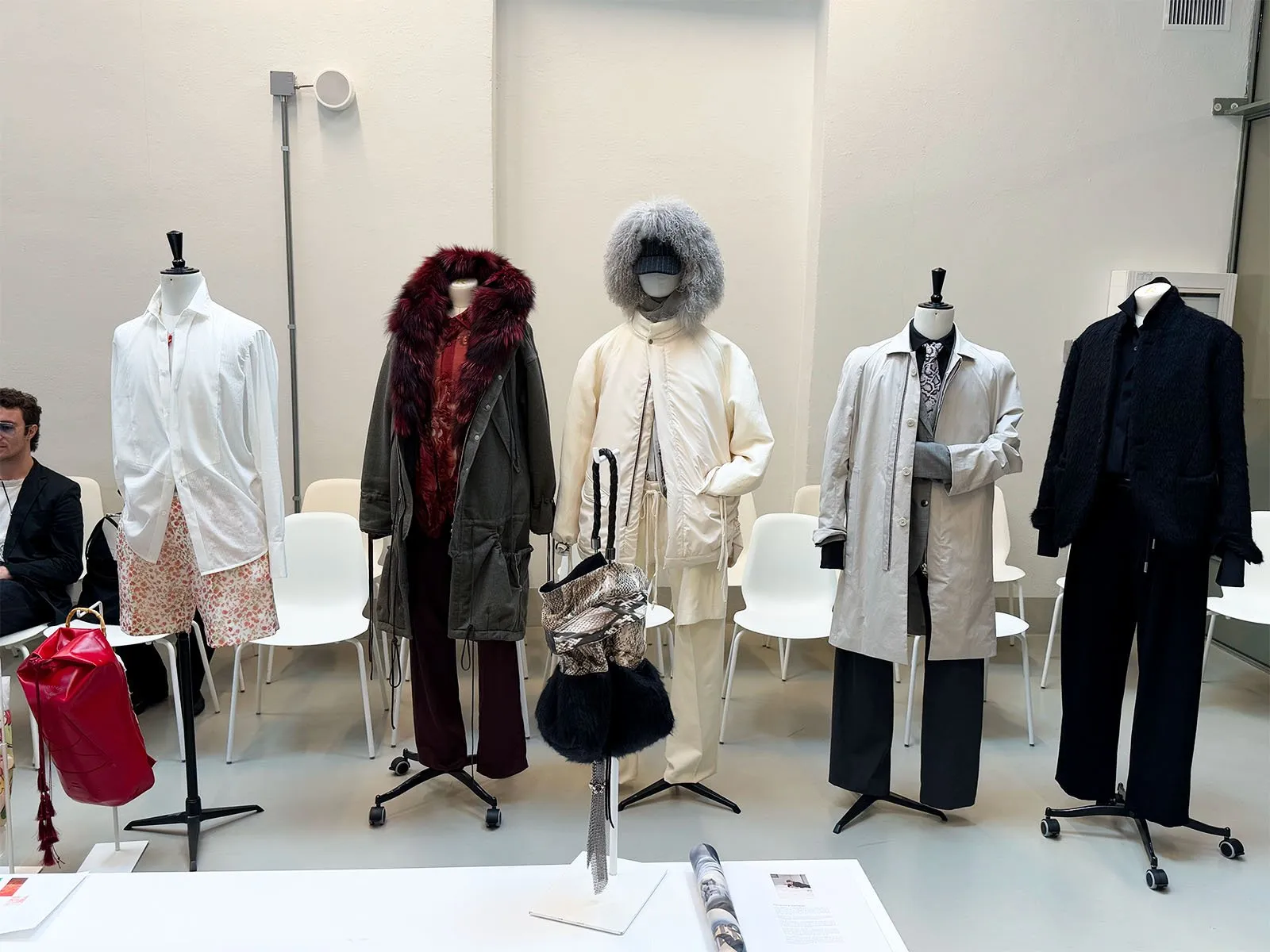
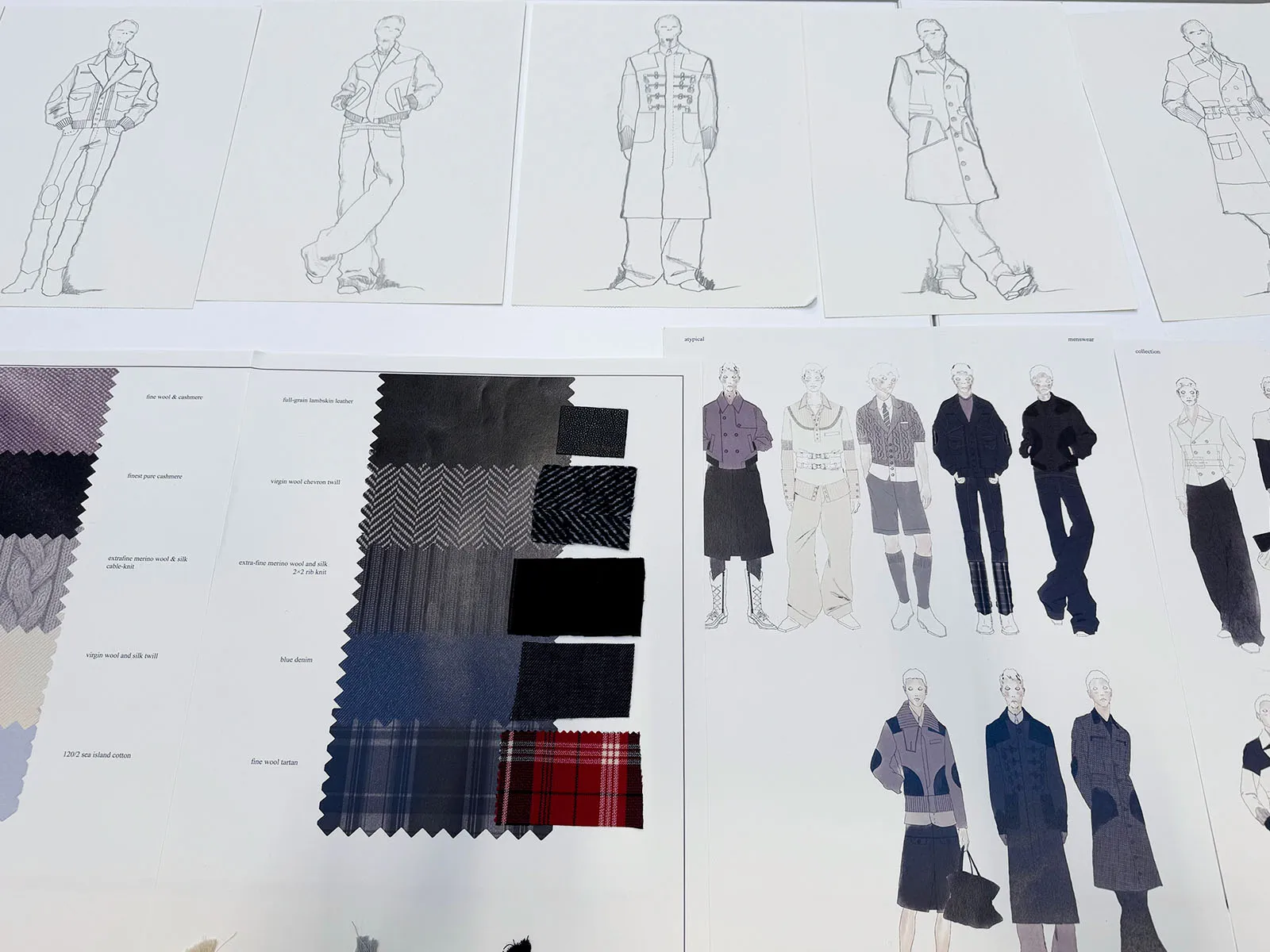
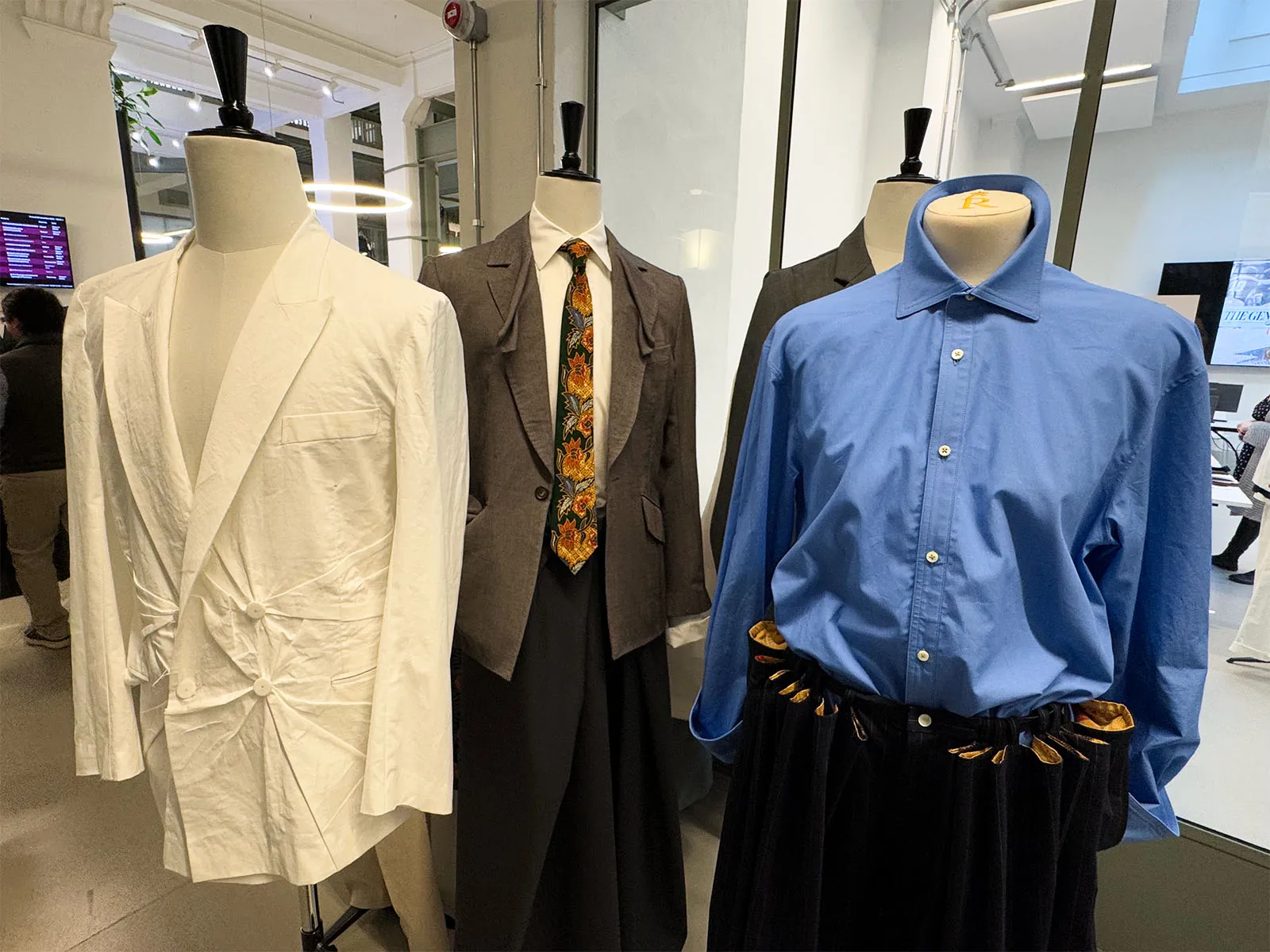
The presentations revealed diverse visions of contemporary menswear through projects in which historical references, cultural influences, textile research and aesthetic sensibilities contributed to the development of individual design identities.
The final thesis presentations marked the culmination of an educational journey dedicated to understanding menswear and its evolution, supporting students in defining their professional identities as Menswear Designers.
Menswear Design: Rethinking the Codes of Contemporary Menswear
How does the male wardrobe evolve in a constantly changing society? What role can sartorial traditions, material research and innovation play in shaping new aesthetic identities?
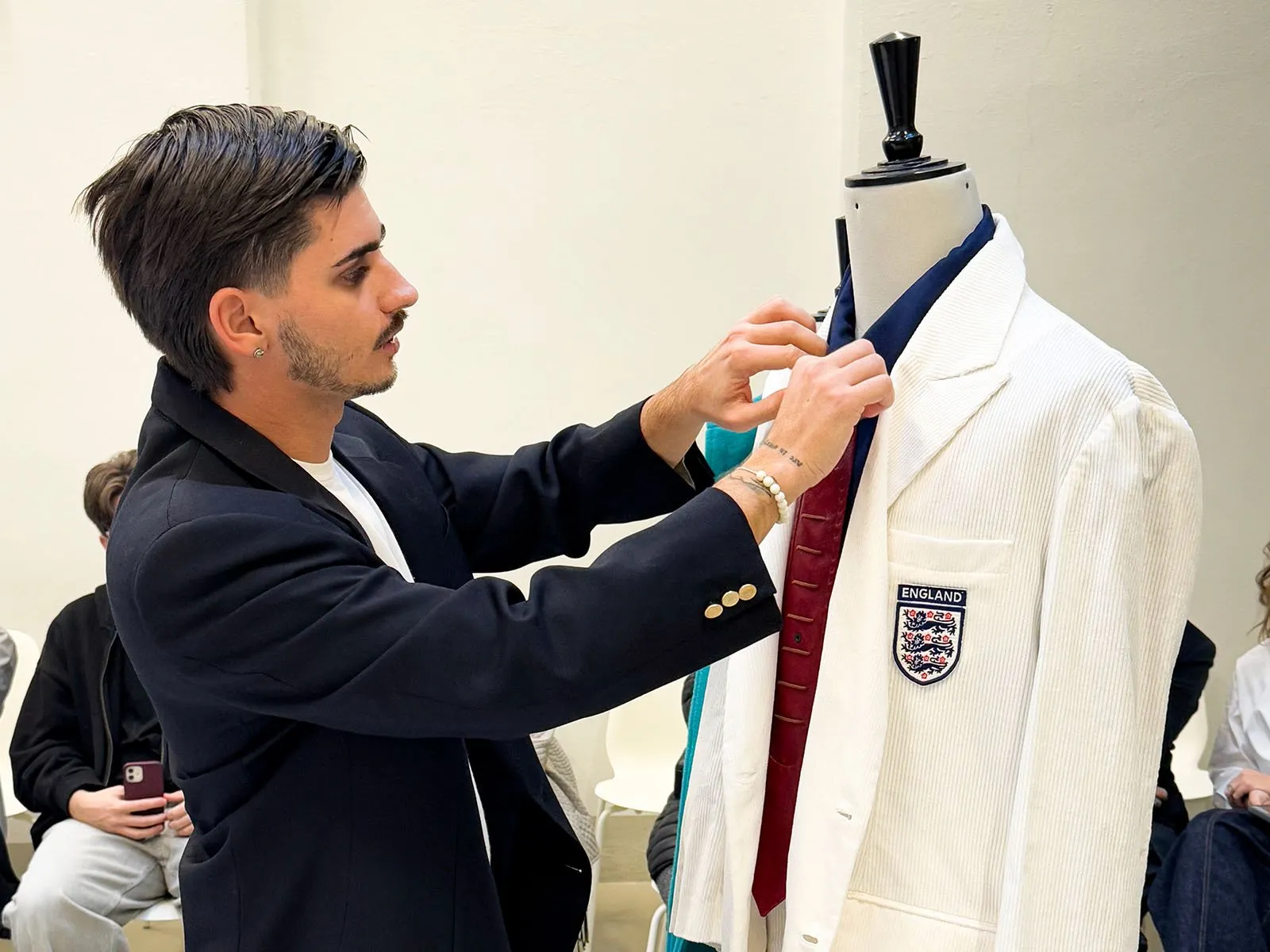
Through their thesis projects, students explored the expressive possibilities of menswear, engaging with a wealth of cultural and stylistic references and reinterpreting them from contemporary perspectives.
From visual research to silhouette development, from the exploration of volumes and proportions to fabric selection and garment development, the design process became a means of investigating the relationship between the body, clothing and identity.
An understanding of pattern cutting, tailoring techniques and garment construction, alongside the ability to interpret cultural and societal changes, is fundamental to the education of a Menswear Designer.
Engaging with the Examining Panel: Creative Direction, Textile Research and Fashion Design
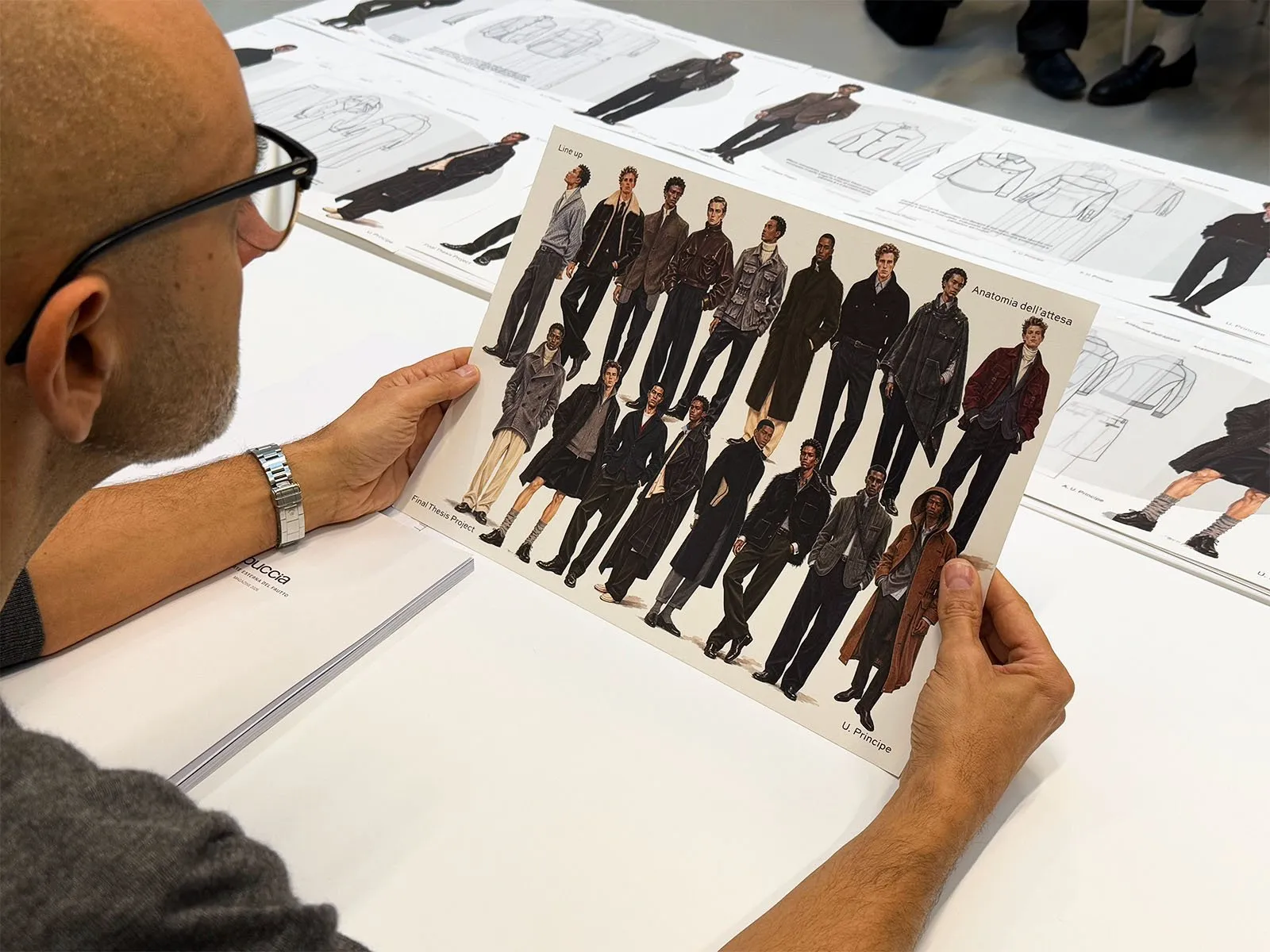
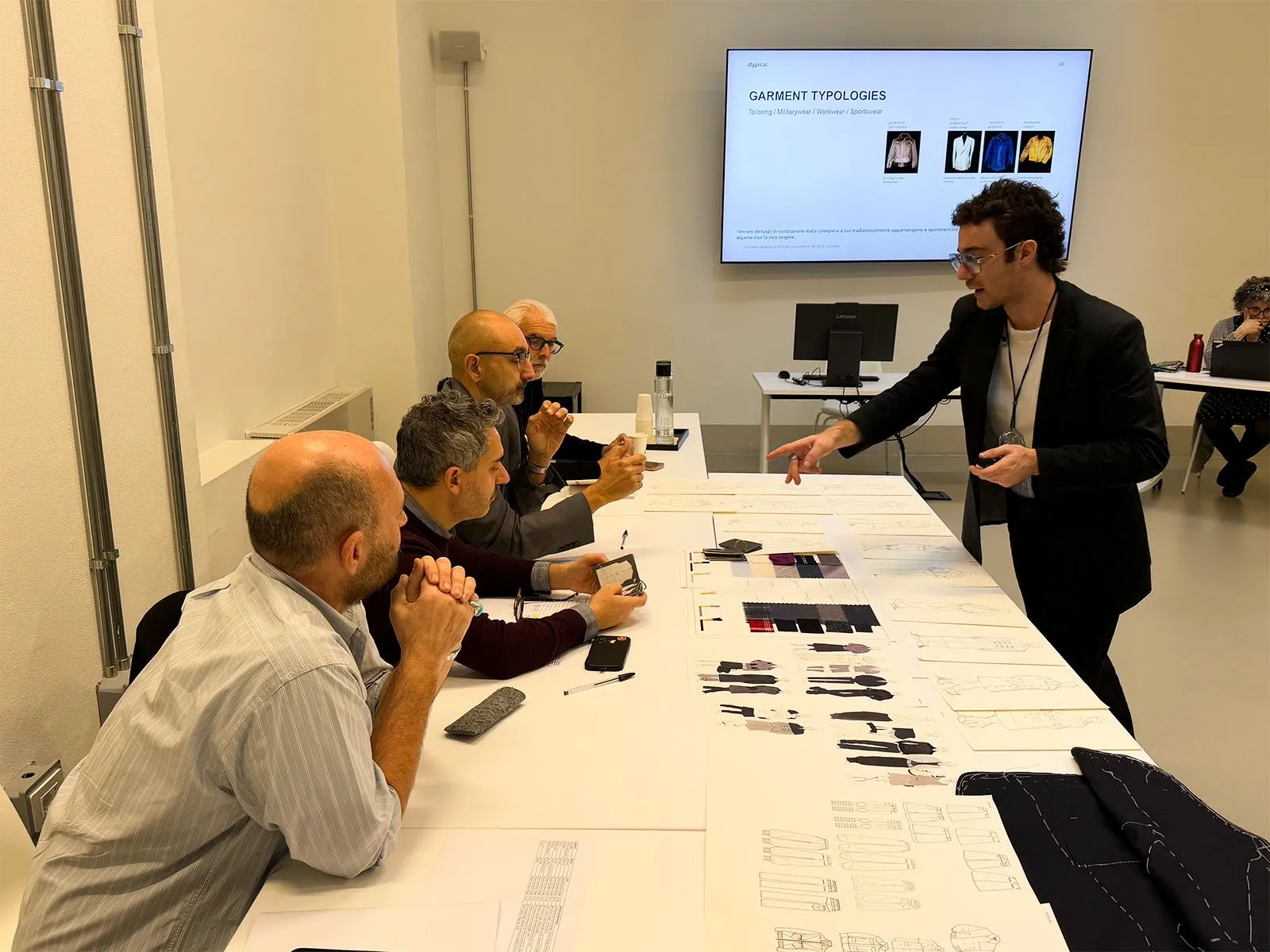
The final thesis projects were presented to an examining panel comprising professionals with complementary experience and expertise in fashion design, textile research and creative direction.
The examining panel included:
- Santo Costanzo, Head of Design Department at ACM;
- Ernesto Pigni, Designer and Textile Expert;
- Albino D’Amato, Creative & Design Director.
The dialogue with the examining panel enabled students to articulate the reasoning behind their design decisions, discussing the relationship between research, materials, garment construction and stylistic coherence.
It was an opportunity to reflect on the maturity of their projects and their ability to translate a creative vision into a distinctive design proposition within the international menswear landscape.
Studying Menswear Design in Rome: From Sartorial Tradition to Design Innovation
The Master in Menswear Design, delivered at the Rome Rondinella Campus, is designed for Fashion Design graduates wishing to specialise in menswear through a teaching methodology that integrates collection design, textile research, pattern cutting, tailoring and product development.
Practical studio sessions, Industry Projects, workshops, company visits and exchanges with industry professionals enable students to gain first-hand insight into the creative and manufacturing processes that shape the menswear industry.
Studying Menswear Design in Italy also means engaging with an internationally recognised sartorial heritage, where material expertise, precision in garment construction and artisanal savoir-faire meet emerging technologies and the evolving demands of the fashion and luxury markets.
Accademia Costume & Moda: Educating the Menswear Designers of Tomorrow
Founded in Rome in 1964, Accademia Costume & Moda develops an educational model founded on the relationship between academic training, design culture and the fashion industry, creating opportunities for direct engagement with international fashion houses, designers and leading names in Italian manufacturing.
Throughout their academic journey, students on the Master in Menswear Design had the opportunity to explore different approaches to menswear design through Industry Projects developed in collaboration with leading companies and brands within the sector.
The Industry Project with HUGO BOSS, entitled Neo-Modern Menswear Fall/Winter 2027 and guided by Project Leader Albino D’Amato, invited students to reinterpret the Neo-Modernism of the late 1990s, developing collections that engaged with the aesthetic and functional codes of contemporary menswear.
The Industry Project with Pontoglio 1883, Menswear Then, Menswear Now, examined the historical evolution of menswear, exploring the relationship between societal changes, textile research and the reinterpretation of dress codes.
Central to the students’ educational experience is the partnership between Accademia Costume & Moda and Brioni, a collaboration that strengthens the connection between education, Rome’s sartorial heritage and the international luxury industry.
Through engagement with these industry partners, students acquire the knowledge and skills to understand the different dimensions of menswear, from traditional tailoring and textile research to the development of a brand’s design identity and the creation of collections for the international market.
The final thesis presentations mark the conclusion of an educational journey that encourages each student to question not only how a garment is designed, but also its cultural significance, its function and its role in contemporary society.
Educating the Menswear Designers of tomorrow means supporting a new generation of creatives in developing an independent vision, one that recognises the value of tradition while contributing to the evolution of menswear.