- About
- Programmes
- campus
- Admissions
- Careers & Placement
- Experience
- Contact
Innovation stems from the encounter between research, experimentation, and an ongoing dialogue with industry. This is the philosophy that defines our Master in Fabrics Innovation Design, an educational pathway designed to train professionals capable of interpreting and guiding the evolution of the contemporary textile sector.
Among the projects that best embody this approach is «Heritage in Collision», the Industry Project developed by our students in collaboration with Isa Seta, an Italian excellence in the textile field. This experience has enabled students to engage with a concrete design challenge, exploring the relationship between cultural heritage and material innovation.
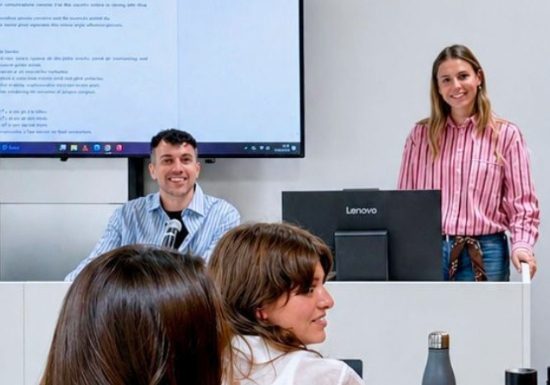
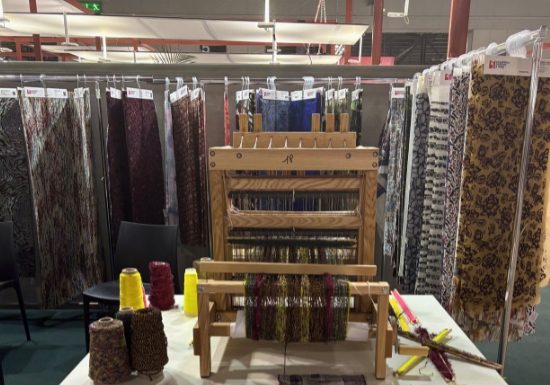
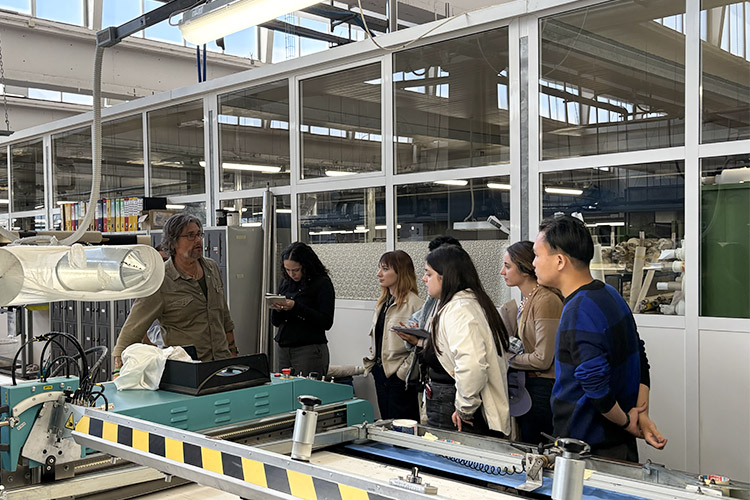
The project was inaugurated with a visit to the Isa Seta headquarters, a valuable opportunity to gain direct insight into the company’s reality. During the Brief Launch, students had the chance to tour the company’s production spaces, deepen their understanding of its history and know-how, and access its textile archive. This immersive experience allowed them to closely observe materials, manufacturing processes, and historical samples, turning the visit into a tangible source of inspiration and research for the development of the project.
The brief for this Industry Project originates from the encounter between two seemingly opposing worlds: the sophisticated elegance of New York high society and the creative, unconventional energy of the downtown scene.


Through cultural and visual references ranging from «The Age of Innocence» and «The Gilded Age» to the artistic universe of Andy Warhol’s Factory, and iconic figures such as Diana Vreeland and Lee Radziwill, students are required to develop in-depth research into themes of identity, social status, and cultural representation.
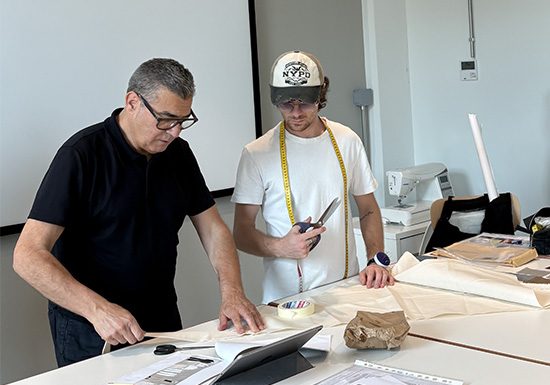
Starting from the analysis of furnishing textiles, embroidery, decorative surfaces, and traditional aesthetic codes, they are asked to reinterpret this heritage through a contemporary lens, combining conceptual research with practical experimentation.
Fabrics thus become narrative surfaces, capable of telling new stories and fostering a dialogue between seemingly contrasting concepts such as memory and transformation, elegance and rebellion, tradition and innovation. This process enables the development of advanced design skills and a deeper awareness of the expressive potential of materials.
Projects such as this represent one of the defining features of the Master in Fabrics Innovation Design. Thanks to collaborations with companies and industry professionals, students have the opportunity to work on real briefs, engage with the dynamics of the industry, and develop a design methodology that integrates textile culture, research, innovation, and strategic vision.