

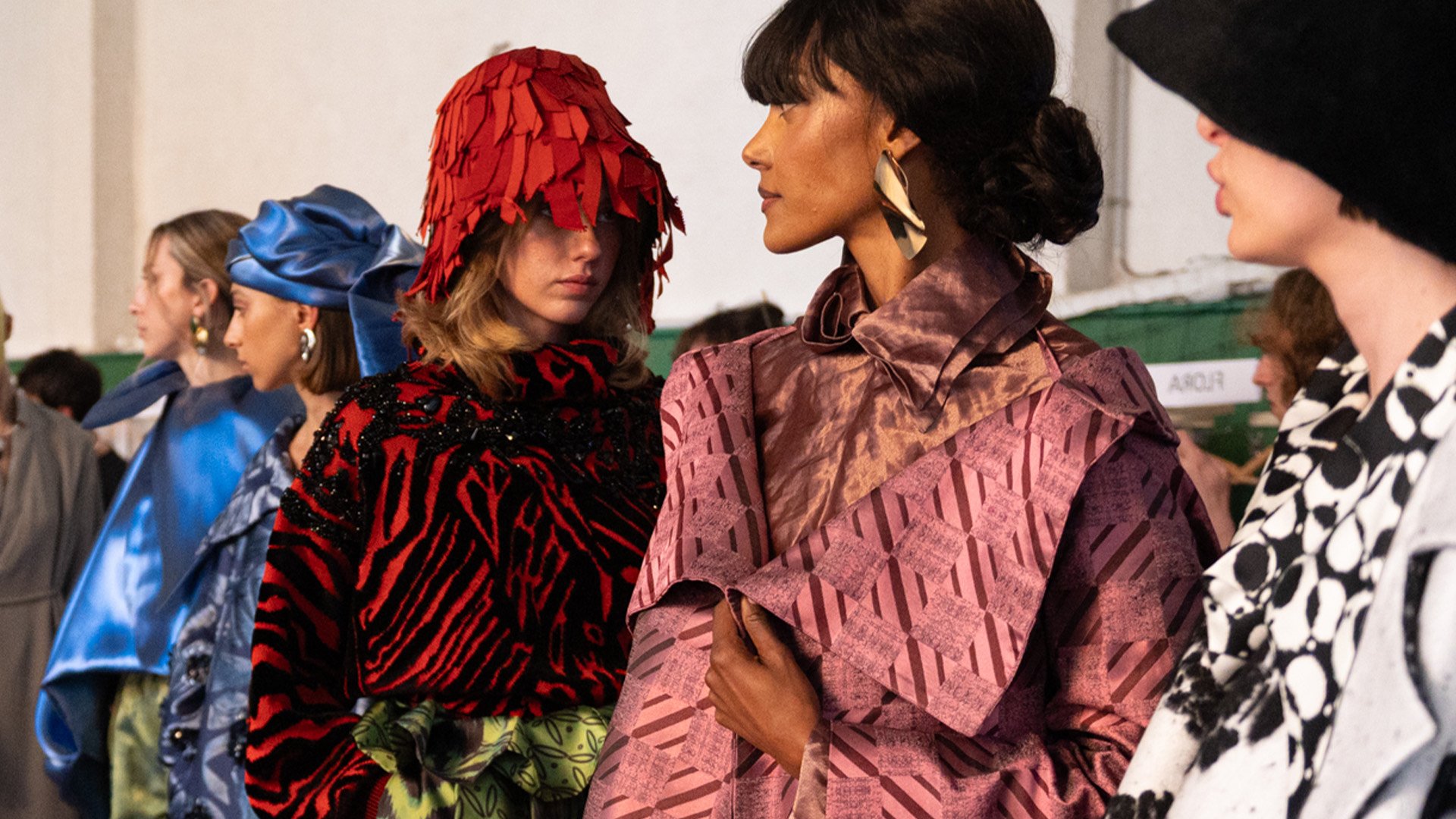
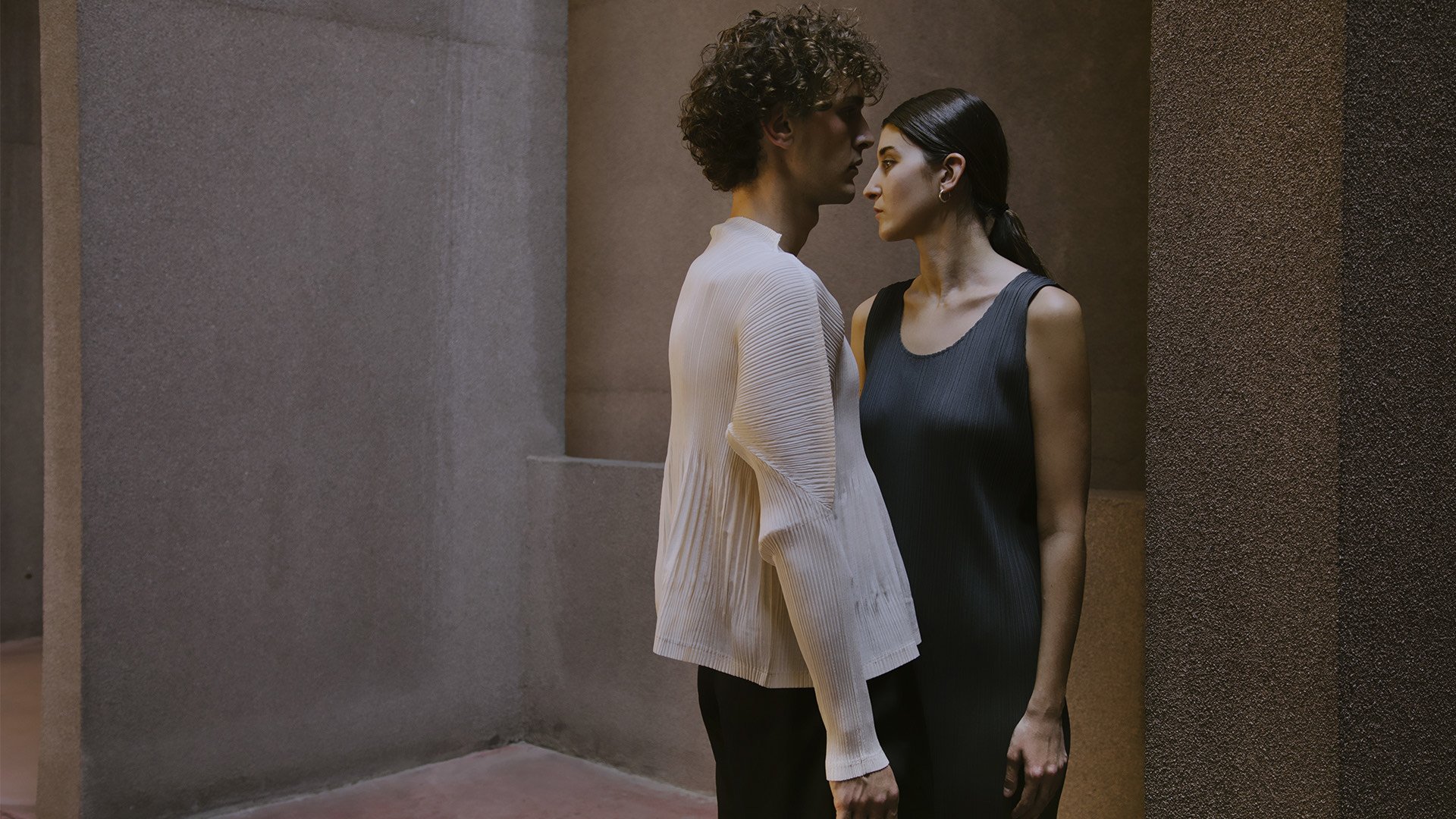
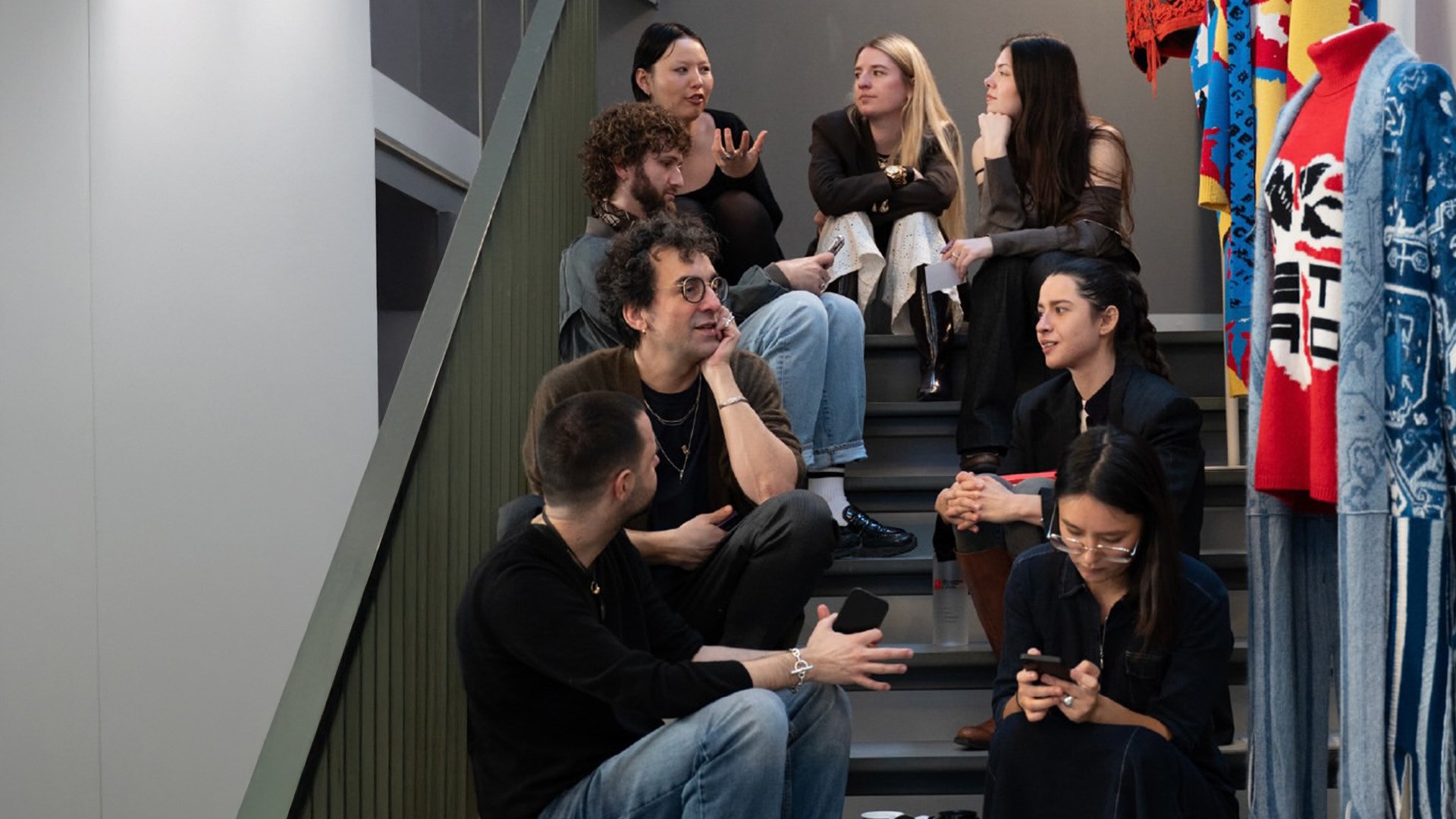
A special editorial by Antonio Mancinelli exploring contemporary couture, time and the lives woven into the creations of the emerging designers of the Master in Alta Moda, Fashion Design.
BY ANTONIO MANCINELLI
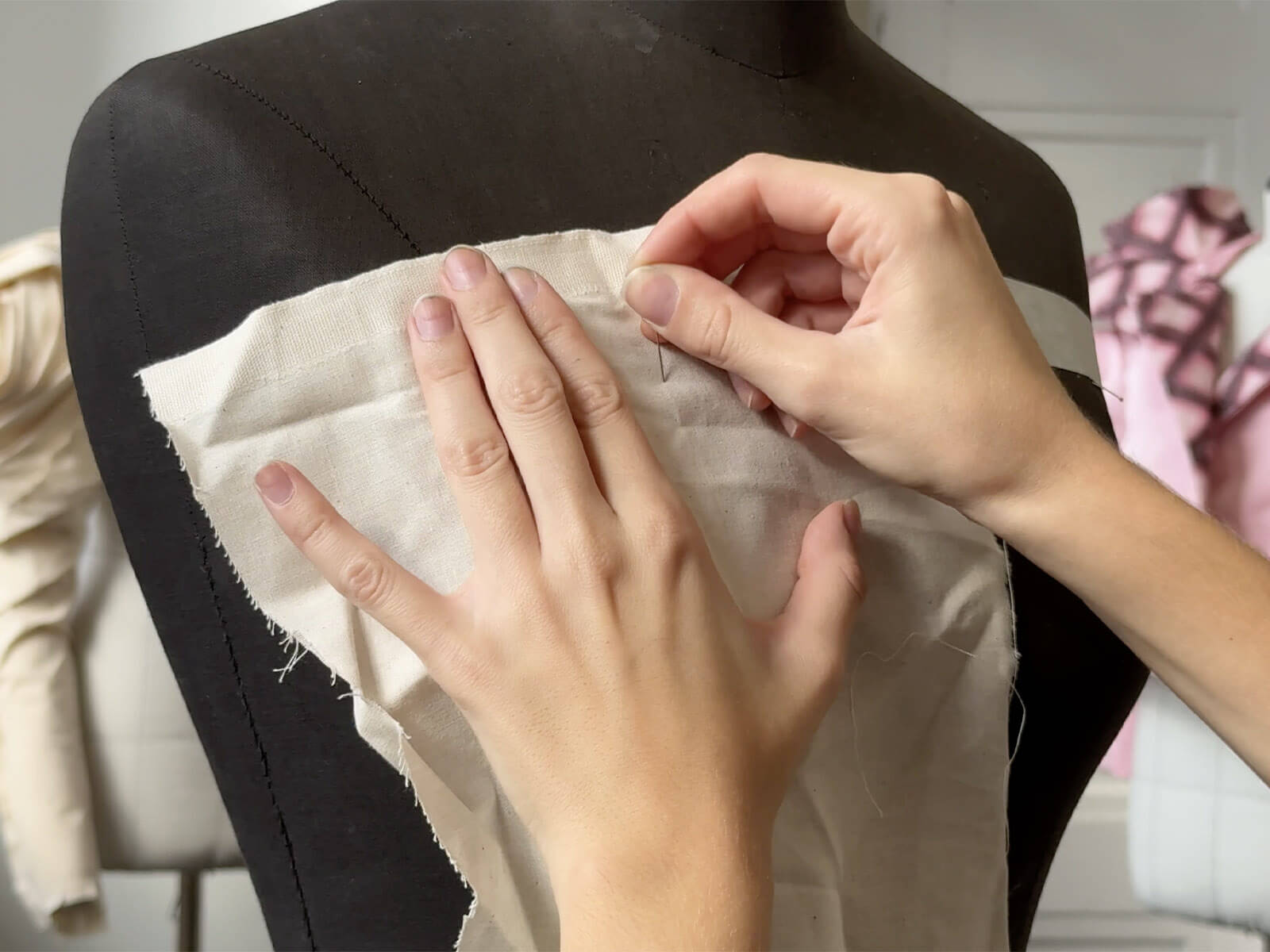
We dress ourselves in the time of those who conceived, cut, stitched and embroidered what we wear. Couture takes this truth to its extreme: weeks of life, concentration, mistakes made and unpicked become something to be worn on the body. An entire existence passes through a garment. Approximately four hundred hours go into each look, according to Accademia Costume & Moda, whose eleven students from the Master in Alta Moda, Fashion Design presented their collections on 27 October at BASE Milano, as part of Fashion Graduate Italia 2026. From this disproportion between the time it takes to create and the time we are given to look arises a question: what does it mean to make couture today?
‘Attention is the rarest and purest form of generosity,’ wrote Simone Weil to Joë Bousquet in 1942. Applied to clothing, this idea implies a choice: to treat the body as a singular, unrepeatable presence, giving it a form that acknowledges its individuality. Couture embodies this promise, alongside a fierce contradiction: so much care is sold to so very few. Its beauty remains inseparable from the question of who has the right to receive it. To make couture, then, is to give shape to our own finitude, with the almost reckless audacity of entrusting its preservation to a piece of fabric.
In the Roman ateliers on Via della Rondinella, working alongside Santo Costanzo and the tailoring team, thought meets the needle. Among the projects, Francesca Sinigaglia’s Il Tempo come Cura (Time as Care) stands out for the precision of its approach: simplifying the pattern to devote more time to craftsmanship. In the white look, volume swells outwards at the sides, while a blue interlacing holds the surface together before allowing it to unravel into ribbons. The body seems on the verge of emerging from a cloud that has studied geometry. Asymmetry gives delicacy a purpose.
Attilio De Angelis, with Blue Neighbourhood, brings from the Marche region a nostalgia that takes tangible form in the interplay of blues, the hood and the generous proportions of the trousers. A domestic memory acquires an unexpected scale: one leaves home carrying its sky upon one’s shoulders.


Giovanna Bifulco, in Appartengo, returns instead to her grandparents’ wardrobes, to prints reinterpreted through embroidery and to the oversized proportions of childhood. Here, tenderness must defend itself against the risk of becoming a souvenir. Memory becomes interesting when it transforms the present; the veneration of memories tends to embalm it.
In On the Concept of History, Walter Benjamin described fashion as ‘a tiger’s leap into the past’. He went on to specify that this leap takes place in an arena ruled by the dominant class. The reference is particularly apt for Vincenzo Ferriero’s Le Carrousel Vert, inspired by the persecution of gay men during Italy’s Balletti Verdi scandal of 1960. The veiled headpiece, green gloves and black volume opening over the suit introduce a hallucination into the realm of respectability. The theatricality creates friction between the rituals of elegance and the violence that such respectability has concealed. The risk of historical illustration remains: a collection must be able to stand on its own, without the protection of its explanatory caption.


This is the demanding test facing a new generation of couturiers: to make excess feel necessary. Every volume must earn its place; every embroidery must justify the hours it demands. A graduate collection has the right to take risks, even to indulge in a certain sublimely bad taste. Maturity comes later. Provided, of course, that the industry gives it time to arrive. To expect young designers to develop a voice of their own, only to employ them to obediently execute someone else’s, would amount to an education in ventriloquism. The event’s theme, Speak Up!, is an invitation to find one’s voice. It falls to the industry to listen also to what these garments ask for in silence: continuity, trust and paid work. The care celebrated on the skin of those who buy must extend to the hands of those who sew. These young designers have already entrusted a part of their lives to their garments. The grown-up fashion industry should at least have the good taste to respect what remains.